In my Tips to Save Money on Food post, I mention buying ham on sale after the holidays. I love cooking a ham at the beginning of the week. It provides sliced ham for a few meals. Then I cook a pot of red beans or pinto beans with what’s left of the meat and the ham bone for lots of flavor and richness.
Sometimes that gets boring, though. After cooking a ham on Sunday, I wanted something to use some of the ham that was different but easy. I also needed something that used ingredients I already had on hand. A quick internet search found this delicious Potato Ham Soup shared by Sandy at Simply Happy Foodie. It’s written for one of my favorite appliances, the electric pressure cooker, and uses basic ingredients that are common kitchen staples.
Since this isn’t my recipe, I’m linking to the original at Simply Happy Foodie. I made a few changes to the original to make it gluten and dairy free. I also had to make a few adjustments to make it work with what I had on hand. Those I will share here.
Potato Ham Soup hacks
In place of milk or cream, I used coconut milk to make it dairy free. Almond or cashew would probably work well, too.
For the flour, I subbed an all-purpose gluten free flour blend. Cornstarch also works well as a gluten free thickener. I would recommend reducing the amount of cornstarch to 1-1.5 tablespoons, though, because, to me, cornstarch gives things a different flavor.
I had russet potatoes on hand, so that’s what I used.
The recipe called for thyme. I’m out, so I added poultry seasoning instead.
The original recipe suggested cheese as an add-in. To add a little cheesy flavor without dairy, I sprinkled in about a tablespoon of nutritional yeast.
That’s it. This soup is a great way to use up leftover ham. With an electric pressure cooker it’s done in under an hour, start to finish. Check it out at Simply Happy Foodie, and if you need a gluten-free or dairy-free option, use the adjustments I’ve shared here.
Like this recipe hack? Sign up for my newsletter to never miss a post.
Clearance
Clearing out to make room for new products. Everything listed here is at least 50% off the original price. If you see something you like, get it now before it sells out.
Aroma is very powerful. We all have certain scents that bring back memories or evoke certain thoughts and feelings. It’s no wonder, then, that for thousands of years people have used scents to evoke a physical response and to heal. Strong evidence was found to link aromatherapy to many ancient traditions. Though aromatic oils have been used to treat and cure various ailments and conditions for centuries, the formal study on their properties only started in 1928.
What is Aromatherapy?
In its simplest form, aromatherapy is the use of scent, usually in the form of essential plant oils for therapeutic purposes. The essential oils are normally used to relieve a person from stress and a variety of stress-related conditions. They are also used for promoting a person’s general well being and invigorating the body and psyche.
How does it work?
Aromatherapy works by inducing our olfactory nerve cells with aromatic oils, which then carries the message to our limbic system in the brain. The limbic system is the part of the brain responsible for controlling memory and emotions.
Aromatherapy is concerned in the workings of both our physical and emotional selves. Physically, aromatherapy helps in relieving specific conditions by stimulating our nervous, immune and circulatory systems. In emotions, however, they work by evoking pleasant memories and uplifting our mood.
Although the medical community is not in agreement over whether aromatherapy in itself is instrumental to healing various medical conditions, the idea of recovery through aromatherapy is widely accepted. Think of eucalyptus for easing cold symptoms, minty or peppery salves for soothing achy muscles and lavender, rose or frankincense for relieving stress.
How are essential oils made?
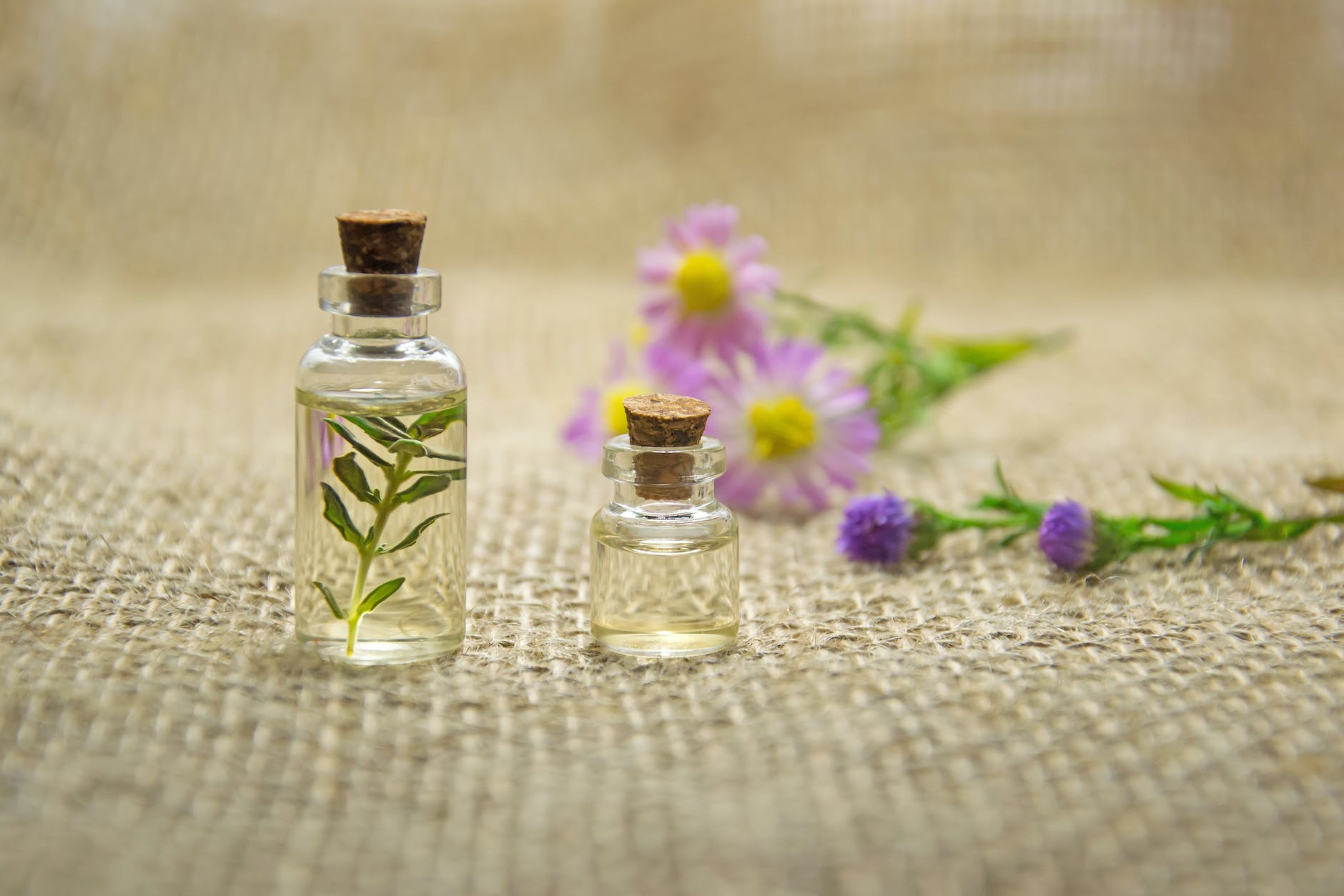
Essential oils are derived from the distillation of the parts of a plant. They can come from the leaves, roots, flowers, stems or bark. They hold the true essence of the plants from which they originally came in high concentration. Though termed as oil, essential oils normally do not have all of the real properties of oil. It is important to note that, like oil, essential oils do not dilute in water. Their high concentration means that they should not be ingested or used without properly diluting them in a carrier oil first.
Essential oils are used in a variety of methods. A few are through inhalation, by blending them with a carrier oil and adding them to bathwater, or by the application of the diluted oil on the body.
You should only use pure essential oils for aromatherapy. You want to look for 100% essential oils, not fragrance oils when choosing oils for aromatherapy. Be aware, though that labels like “therapeutic grade” do not have a standardized meaning, nor are essential oils FDA approved.
Commonly Used Oils in Aromatherapy
Carrier (base) oils
The following is a list of the most common oils used in aromatherapy. First are the common carrier oils (also known as vegetable oils or base oils).
Almond, Sweet
Apricot Kernel
Avocado
Borage
Cocoa Butter
Coconut
Grapeseed
Jojoba
Olive
Rose Hip
Shea Butter (carrier)
Sunflower
Essential Oils
Next are some of the most commonly used essential oils. Everyone has their own preference, so expect some variation depending on the practitioner.
Below are some essential oils that are not recommended to use in aromatherapy. This is especially true if you are not supervised by a professional, licensed aromatherapist. This is not an extensive list, so please, know your essential oil before using it. Remember, essential oils are highly concentrated. Just because something is safe as a food does not mean it is safe as an essential oil.
Almond, Bitter
Arnica
Birch, Sweet
Broom, Spanish
Calamus
Camphor
Garlic
Horseradish
Mugwort
Mustard
Onion
Pennyroyal
Rue
Sassafras
Thuja
Wintergreen
Wormwood
Aromatherapy at Work
You’ll find aromatherapists in a variety of work environments including in private practice, natural health clinics, health clubs, spas and holistic medical practices, among others.
While there is limited formal research on aromatherapy, therapists and physicians often prescribe aromatic essential oils for a range of complaints. These include colds and flus, insomnia, sinusitis, migraines, digestive problems and muscle pains. Most people are familiar with using lavender for insomnia or peppermint and eucalyptus for congestion. While I’ve probably said this about a million times by now, essential oils should never be taken orally. They should also be diluted in a carrier oil and used sparingly at first until you know how you react to them.
Good morning! I hope everyone who celebrates had a happy holiday weekend, and to everyone else, I hope your weekend was also awesome.
Between children, cancer treatment and just life in general, things have been pretty hectic. I’ve often complained that I feel like I took better care of myself before I was diagnosed. My diet has definitely suffered, and too much of my spare time lately is spent “doom scrolling”.
There’s nothing wrong with comfort food and relaxing with whatever form of entertainment for a while, but I feel like it’s time to start focusing on getting myself healthy beyond fighting breast cancer. I have two Kadcyla treatments remaining (yay!). That will conclude my “active” cancer treatment. I still have years of estrogen-blocking medicine, but a pill a day is very different that multiple doctors appointments in a month, or week, and chemo fatigue. I am totally looking forward to it, but also worry that, without the constant business of treatment, I will be left feeling a little, “what now?”
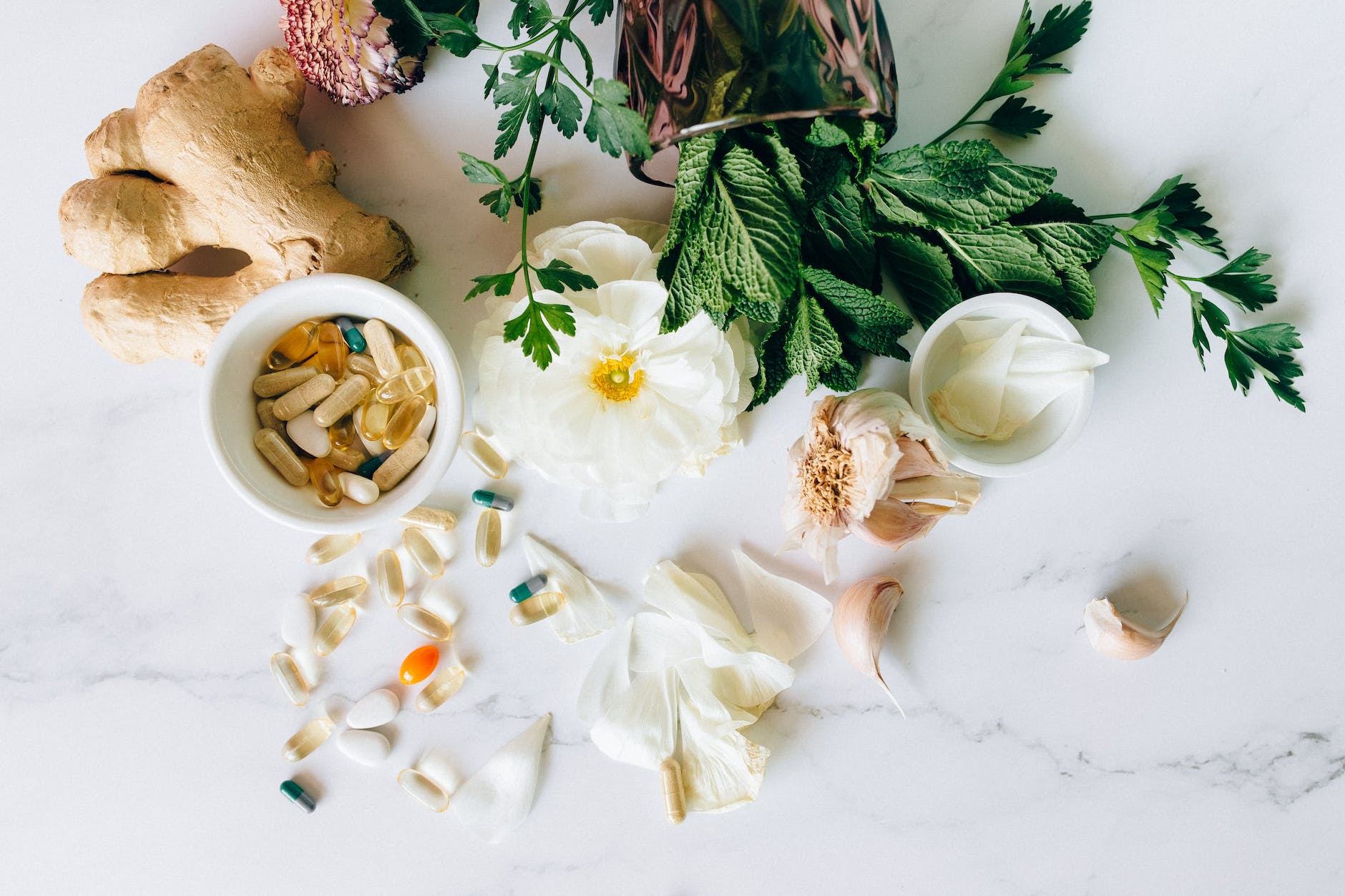
To help me focus on my health, and give me some direction to all my new free time, I want to focus not just on diet, but things like aromatherapy, herbalism, yoga, meditation and journaling. These are all things I’ve thoroughly enjoyed in the past but have gotten put aside in all the chaos.
To keep me focused, I will be sharing some of that information here, both as informative articles and candid posts about my personal experiences. There will still be plenty of crafty tips and tutorials, because creating is something that I have to do. (Remembering to photograph the process and actually post about it is something I need to work on, lol.)
If you subscribe and would rather not get the new content, let me know and I will figure out how to organize my mailing list so that everyone gets the content they want. 🙂
Like this post? To make sure you never miss a future post, please sign up for my newsletter.
I’ve been working on some summer sewing and refashions lately. Here’s a quick video showing a few of them. The first is a backless halter top made with quilting cotton and ribbon. The second refashion is a halter tube top with a matching loose kimono/beach coverup. They were made from an old maxi dress that wasn’t getting much love. The beach coverup is my favorite. I love how it turned out, especially the print.
I hope you find these inspiring for your own projects. If you like these kinds of videos, follow me on TikTok. I also post on Instagram and YouTube. I tend to prefer the length options on TikTok, so that’s where most of my complete videos are located.
Like this post? To make sure you never miss a future post, please sign up for my newsletter.
It’s my birthday on Saturday (yes, April Fool’s, I know, lol). If you use coupon code April2023 you’ll get 20% off your entire order at SubEarthan Cottage. Valid on regular and sale-priced items through April 3, 2023.
And, since birthday’s are weird without cake, here’s my favorite allergen-friendly chocolate cake recipe.
This is a simple chocolate cake recipe that is super easy. It is dairy-free, egg-free, and if you swap the wheat flour for a gluten-free flour blend, it's gluten-free, too! To make it gluten free, I like Bob's Red Mill 1 to 1 gluten free blend because it already contains xanthan gum. If you use a different gluten-free flour without xanthan gum, I would add about 1-1.5 teaspoons of xanthan gum.To top, make a simple buttercream (with shortening and non-dairy milk to keep it non-dairy) or use your favorite store bought frosting. You could also sprinkle the warm cake with dairy-free chocolate chips, let them melt a little, then spread across the top for a rich, chocolaty treat.
Prep Time10 minutesmins
Cook Time35 minutesmins
Course: Dessert
Keyword: 9 x 13, cake, chocolate, dairy free, easy, egg free, gluten free, one bowl, simple
Servings: 292×2 inch servings
Equipment
9 x 13 rectangle pan
Ingredients
3CupsFlour see recipe summary for gluten-free adjustment
1teaspoonsalt
2teaspoonsbaking soda
2cups sugar
6tablespoonscocoa powder
2tablespoonsvinegarwhite or apple cider vinegar
1cup vegetable oilany light flavored liquid vegetable oil is fine
2cups cold water
2teaspoonsvanilla
Instructions
Preheat the oven to 375 degrees Fahrenheit
Grease the 9 x 13 inch pan, either with shortening, butter, or cooking spray
Combine the first five (dry) ingredients in a large mixing bowl and mix until evenly blended. Alternatively, sift them together into the bowl.
Add the remaining (wet) ingredients and mix until thoroughly blended. You can use a spoon or an electric mixer.
Pour the batter into the greased 9 x 13 inch pan.
Bake at 375 degrees Fahrenheit for 35 minutes or until a toothpick inserted near the middle comes out clean.
Notes
I frosted this cake with buttercream tinted blue, then used gel food coloring to paint the faces. I then piped buttercream for the eyes, facial features, outlines, writing and trim. I clearly am not a trained cake decorator, so I can’t really say which tips I used or any other details.
Like this post? To make sure you never miss a future post, please sign up for my newsletter.
Aromatherapy is a useful tool for health and wellness. Learning to use essential oils safely and effectively is a bit daunting at first, though. Here are nine simple tips to get you started.
9 Tips For Aromatherapy Beginners
1. Buy One or Two Aromatherapy Books
First of all, it’s good to have a book or two to for easy reference. Choose just one or two books to start your aromatherapy library. It’s best to choose books that are general resources to begin. This gives you some basic information and helps you discover the areas in which you have the most interest. A knowledgeable author will not recommend ingesting essential oils or using them undiluted (neat) topically. Steer clear of any books recommending ingestion or neat usage.
The only possible exceptions are undiluted topical use of lavender and tea tree oil, however the safest route is always to dilute in a carrier oil.
2. Join Aromatherapy Discussion Forums
Facebook groups, Instagram pages and other forums are great resources for aromatherapy newbies. Read past discussions, ask questions, and learn from others. This is my favorite Facebook group for learning about essential oil safety: Using Essential Oils Safely.
Essential Oils
3. Choose Five or Ten Essential Oils to Start
Though you may be tempted to buy more, try to begin with just five or ten different essential oils. Because essential oils can be pricey, you may want to experiment with a few at first. Then you can invest in more if you decide to pursue aromatherapy further. Some of my favorites are lavender, tea tree, peppermint, lemon and rosemary.
4. Make Sure to Buy 100%, Pure, Unadulterated Essential Oils
When you buy essential oils, choose well-known and reputable manufacturers. Avoid anything described as synthetic, fragrance, and/or perfume oils. These are not essential oils; they contain man-made chemicals and have no aromatherapeutic value.
Further more, good quality essential oils do not have to cost a fortune. Some of my favorite brands are Now, Plant Therapy, Aura Cacia, Eden’s Garden and Garden of Life. I personally avoid the MLM brands due to some of their business practices.
5. Buy at Least One Carrier Oil
For nearly all topical aromatherapy applications, you will need to dilute essential oils with a carrier oil. Good all-purpose carrier oils include sweet almond oil, coconut oil, olive oil, and grapeseed oil.
Choose a good quality carrier oil based on the application and your skin type, and use only a few drops of essential oil(s) per ounce of carrier oil.As you learn more about essential oils, you can play around with the dilution ratios depending on your needs.
My favorites are coconut for normal to oily skin and olive for dry skin. I like these because they are easy to find just about anywhere.
6. Store Your Oils Properly
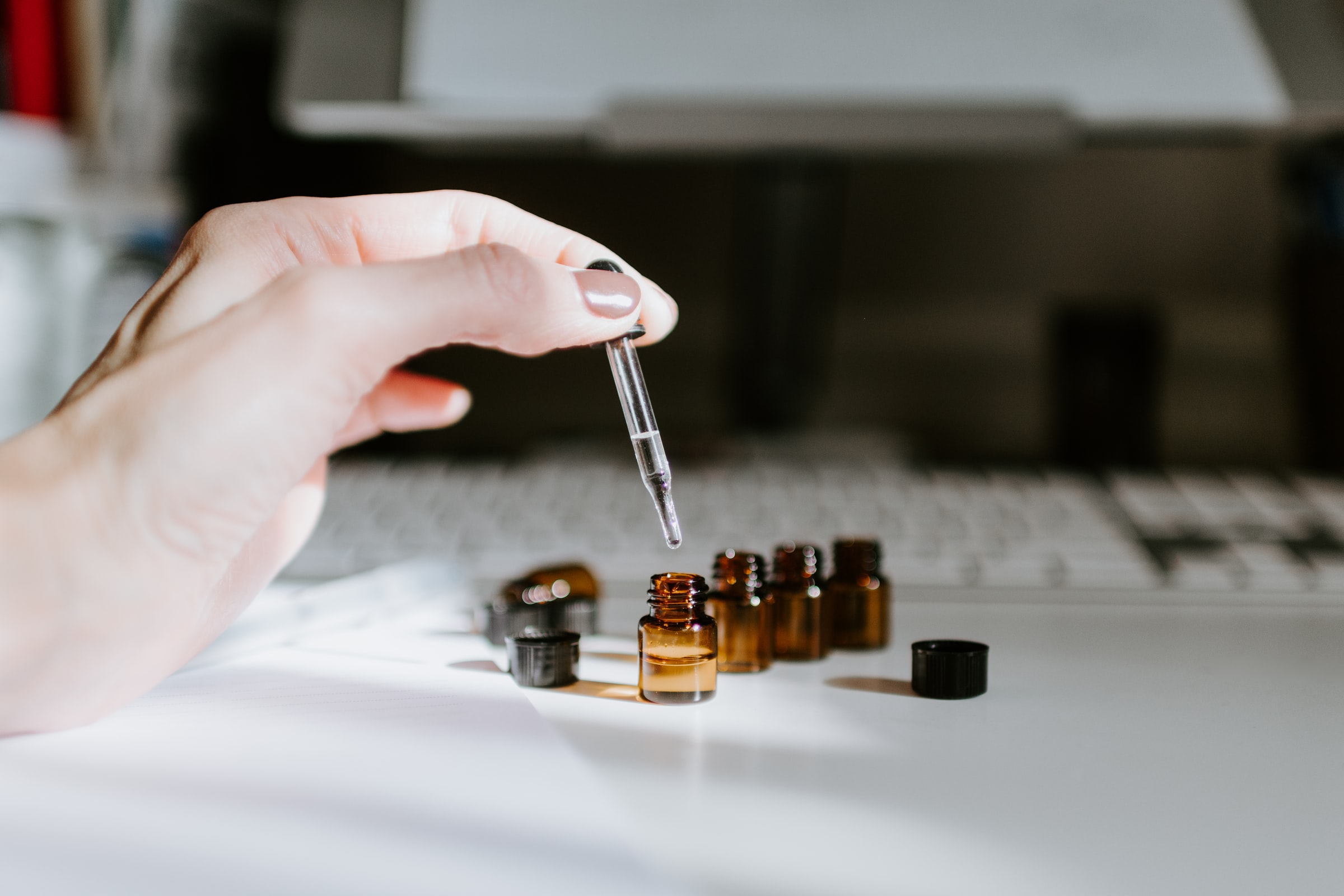
Essential oils should be stored only in dark glass containers. Since essential oils are volatile, keep the lids tightly closed. Essential oils and carrier oils should be stored away from heat and light. Carrier oils will go rancid eventually, so it’s best to buy smaller quantities.
Blending Essential Oils in Carrier Oil
7. Learn How to Do a Patch Test
Essential oils can cause adverse reactions due to allergy or sensitization over time. A patch test helps to determine whether you might react to a particular essential oil. It is important to perform a skin patch test on yourself with each new oil you want to use topically.
8. Don’t Use Aromatherapy with Children or Pets
Until you are thoroughly familiar with essential oils and associated safety issues, don’t use them on children or pets, or while pregnant or breastfeeding. Cats, in particular, may be adversely affected by essential oils. Make sure essential oils are kept out of reach of children.
9. Don’t Ingest Essential Oils
Lastly, do not ingest essential oils. When taken internally, essential oils can damage your esophagus and liver. Some essential oils that are safe to use topically may be quite toxic if taken internally. In addition, some essential oils may interact with prescription or over the counter drugs. The only safe way to ever ingest essential oils is under the care of a licensed, knowledgeable aromatherapist, encapsulated with a carrier oil and for a brief period of time to treat a specific condition. Even then, it would be best to choose another option, such as an herbal infusion or tincture or medication prescribed by your doctor. This is true even for essential oils labeled “therapeutic grade” or similar.
As you experiment with and learn more about aromatherapy, you will become more confident using essential oils. There is so much to explore, so be safe and have fun!
Essential oils and herbal supplements are not FDA approved. This information is intended for educational purposes only and should not be considered as a recommendation or an endorsement of any particular medical or health treatment. Please consult a health care provider before pursuing any herbal or aromatherapy treatments.
Like this post? To make sure you never miss a future post, please sign up for my newsletter.
I, Charity Sloan, am a participant in the Amazon Services LLC Associates Program, an affiliate advertising program designed to provide a means for sites to earn advertising fees by advertising and linking to Amazon.com. Any purchases through those links will result in my receiving a small percentage in commission.
This only refers to Amazon links found in/on my blog pages. All products in my shop are 100% mine and not linked to Amazon.
Prices are the same whether you click an affiliate link or a non-affiliate link, so you will not be charged more. Thank you for your support!