Posted on 1 Comment

Sunbeam Mixmaster Update

Last Thanksgiving I bought a Sunbeam Mixmaster to help with all the gluten free baking. This Thanksgiving, I broke my Sunbeam Mixmaster by sticking a plastic spatula between the beaters while it was mixing blueberry muffins. Broke as in pieces fell out of the machine and the beaters stopped spinning. It’s probably a good idea to turn off a mixer before scraping the bowl.

A quick internet search told me I probably broke the plastic drive gears, and the remedy for that was a dumpster burial. At that point, I figured it wasn’t going to get worse, so I had nothing to lose by taking it apart and seeing for myself if it was reparable.

When I finally figured out how to open it, everything looked fine. No sign of anything broken, and the plastic gear that turns everything had minimal wear. The part that latches the beaters in place looked fine. I couldn’t find anything that looked like it was missing the tiny broken pieces. Little pieces that, after thinking more about it, looked oddly like the little tabs on the beaters…

At that point I grabbed the the beaters and compared them to the rarely used dough hooks. Sure enough, the tabs were missing from the beaters but not the dough hooks. Yay! Replacing beaters is cheap and easy. The only problem was now my mixer looked like this:

Luckily I reassembled the mixer without breaking anything. I tested it with a loaf of banana bread mixed with the dough hooks, and it worked fine. Amazon had replacement beaters for about $10, so it should be fully functional in about a week.

My guess is that those tabs are designed to break under pressure if something gets caught in between. While the drive gear is plastic, it’s pretty thick. Even with my mistake and a year of using it almost weekly, it looks to be in good shape. It makes me wonder if some of the people who thought they stripped the drive gear actually just needed to replace the beaters.

In the long run, if money allows, a mixer with an all-metal drive would be better. From my year of use and seeing how little wear there is on the inside, I do think this Sunbeam Mixmaster is a good budget-priced stand mixer. It has mixed everything I’ve thrown at it, including a double batch of banana bread and a meatloaf (separately, of course) with no trouble. Everything, that is, except for spatulas.

Don’t forget: this holiday season, take 30% your SubEarthan Cottage order with coupon code “ShopSmall18”. Valid through December 10, 2018.


Posted on Leave a comment

Billboard Art

This weekend we held a rather slow garage sale. It was still fun, though, and we met some nice people, including a gentleman who shares our fondness of TBI Suburbans.

Chris took full advantage of the time to create a few billboard art pieces he’s been picturing for months.

Queen of Hearts
Queen of Hearts

I think this is my favorite. I love the weathered door.

Show Stopper
Show Stopper

This is the one everyone slowed down to see. He may decide to shorten it from the bottom to make it more manageable. As it is, though, in the right space it is impressive.

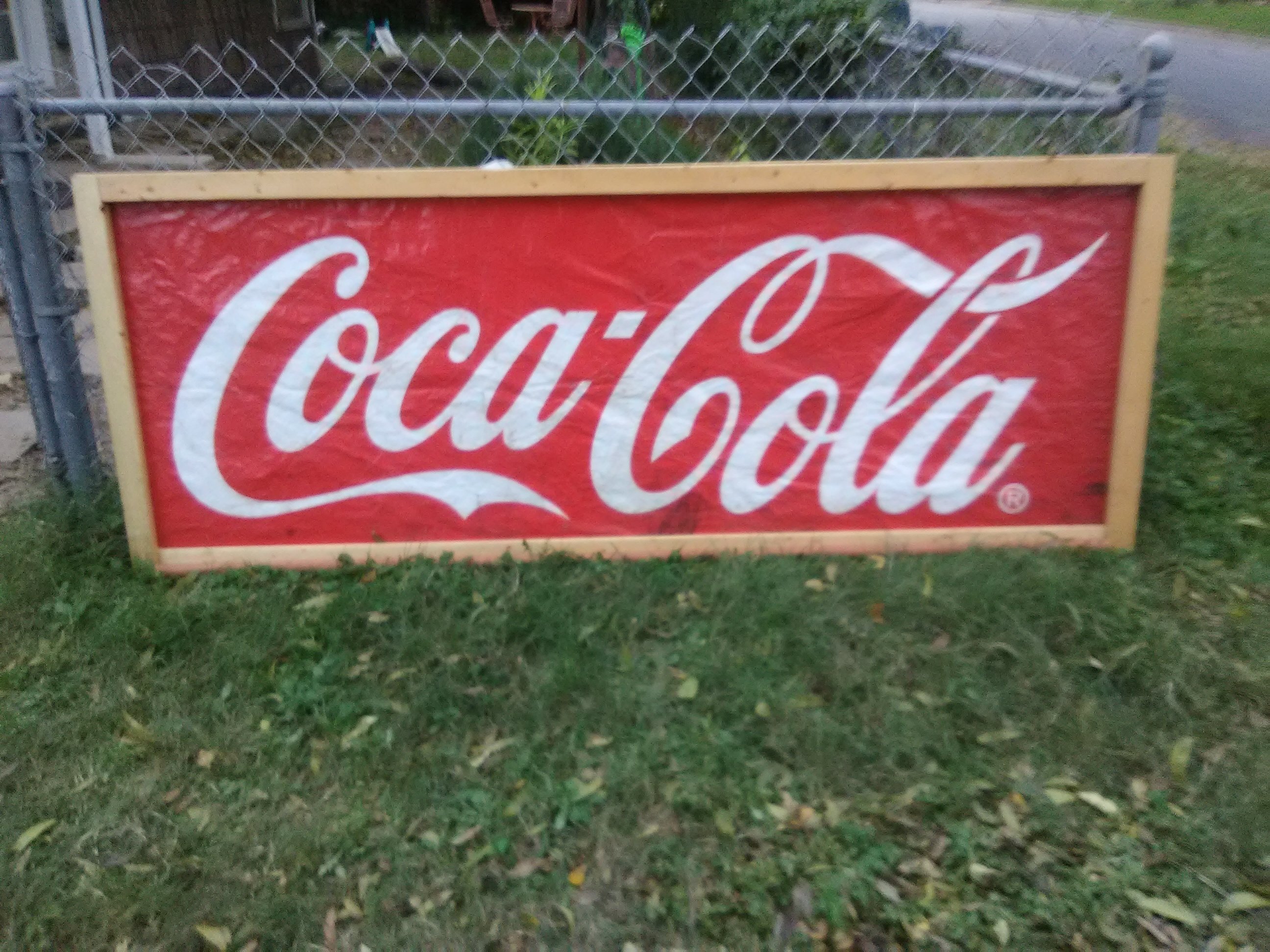
Coca Cola
Coca Cola

This one just screams Americana. We held it up to see what it looks like on the outside of our house. I loved the pop of red against our brown. I can totally see this alongside other signs in rustic decor.

Posted on Leave a comment

Key holder craft inspiration

We needed a better way to organize our keys. I thought about using hooks and scrap wood to make something, but I didn’t have any hooks on hand. I did, however have an old license plate, clothespins and hot glue, so this is what resulted.

I used hot glue because I could remove the clothespins without much, if any damage to the license plate. So far it’s holding up well, but if I were to make another, I might use something more permanent now that I know the concept works. I’d also use a ruler to line up the pins. I had “help” from the two year old this time, so I had to work fast to keep the glue gun safely away from little fingers.

Posted on Leave a comment

Quick Ironing Board Cover

My ironing board cover has seen better days. It’s not worn, but it has a few scorch marks and B thought it was a good idea to stamp it a few times with my thank-you stamp. Since it is always visible in my craft room, I wanted something more pleasant to look at, so I decided to make it a shiny new cover.

Eww.

I went with supplies I had on hand and used the ironing board itself to measure, so I don’t have exact measurements. You should be able to adapt from what I did easily, though. Keep in mind that this is just a cover and not the padding. I put mine on right over the old one. If you want to replace everything, you’ll have to find a replacement for the pad, too. (Layers of quilt batting and topped with Insul-brite maybe?)

Supplies:

Enough fabric to go over the top of your ironing board with about a 3 inch overhang on all sides.

Extra-wide double fold bias tape or blanket binding (2-3 packages)

Thin elastic. The bias tape or binding serves as a casing for the elastic, so make sure to choose an elastic thin enough to be threaded through easily.  Mine is 1/4 inch elastic.

Thread.

How to:

Cut the fabric with a 3-ish inch overhang. The easiest way to do this is to put the fabric on the floor, then the ironing board upside down on top and cut around it, eyeballing the overhang.

For this tutorial the pointy curved end is the top, the short, straight end is the bottom and the long edges are the sides. There’s going to be a gap in the bias tape/binding at the bottom, so you will want to finish it some way. If you have a serger, just serge straight across the bottom. If not, you can either zig-zag stitch over that edge or fold over 1/4 inch twice and hem. It doesn’t have to be exact, just make sure when you cut initially that you account for the hem on that end if you go that route.

Find the middle point of the bottom edge. Measure about 1.5 inches on each side of the midpoint and mark. These are your starting and ending points for the casing.

Leaving the three inch space at the bottom open, sew the bias tape/ binding on being sure to enclose the edge of the fabric. Unless you have a really long strip of binding, you’ll probably need to piece the binding together. When you get a few inches from the end of one bias strip, stop sewing and join the new strip by opening the ends flat, overlapping and sewing across. Refold and continue sewing around the edge of the fabric. Stop when you reach the end point.

What happens when you don’t have enough blanket binding on hand? This. This is what happens.

Thread the elastic through the binding all the way around leaving several inches hanging loose at the beginning and end. This works best if you attach a safety pin securely to the leading end of the elastic to help guide it through.

Fit your new cover, pretty side up onto your board and pull the elastic snug.

Tie the elastic securely, trim the ends if necessary.

Admire your new cover.

Questions? Ask in the comments and help me expand on my clear-as-mud tutorial.